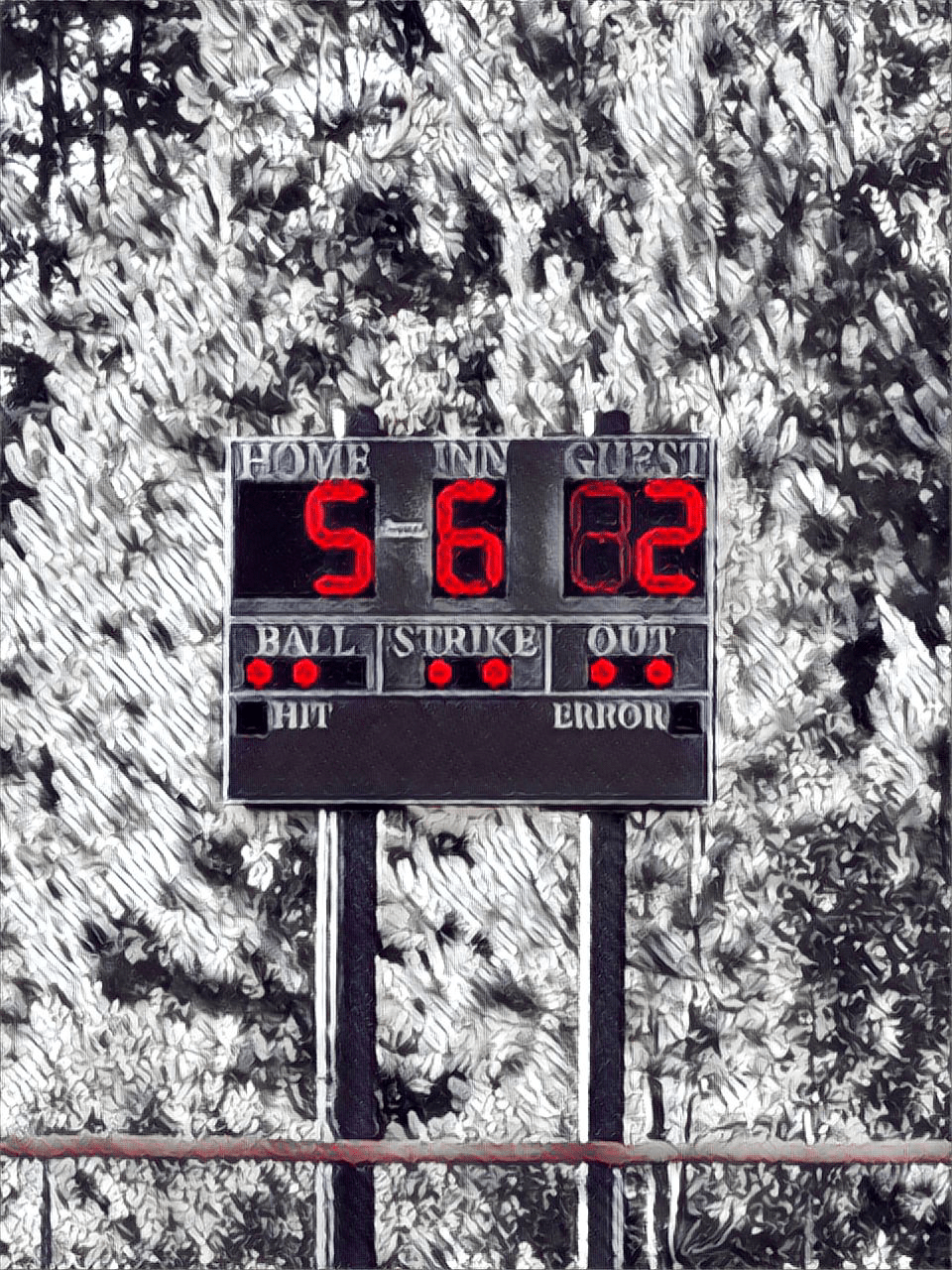

For those that know me well, you already know that a good chunk of my free time is spent on a ballfield with my sons. While it’s been said plenty of times already, the parallels between life (and work) and baseball are all over the place. One such parallel is how you manage your bullpen.
First, let me give you a little context. This was my boys’ last year of Little League. I have either been a hyper-involved dad or a uniformed coach for them since they started playing t-ball. This last season I managed their Majors team. The team started off a little slowly, winning only two of our first eight games. But then things took a turn for the better: we won our next five games putting us into the playoffs as the #3 seed (out of 5 teams). We won our first two playoff games which got us into the division championship. We also won that game. Winning the division championship game got us into the Mayor’s Cup, a long-standing rivalry between South Durham Little League and our bitter rival to the North: Bull City Little League. And guess what? We won that game as well. Nine straight wins for those of you still reading this piece. All in all, 11 wins, 6 losses. Not a bad season.
So what’s my point? There are plenty of reasons why our season turned around. Our hitting improved. Our defense improved. The contributions made by the bottom of our batting order ramped up significantly. And one can never underestimate the power that positive momentum has on a team (or an individual for that matter).
But I think the most important reason for our success was the way that we managed our pitching staff towards the end of the regular season and into the playoffs. We tried to keep all of our regular pitchers available for the next game (1) by limiting the number of pitches they threw (which also helped keep our pitcher’s arm’s healthy). Some teams opted to be more aggressive and burn their best pitchers to secure the immediate win. So we went into the next game with all of our pitchers, the other guys went in without their best pitcher(s) and had to rely on #2, #3, etc. We took the conservative approach and it did us well in the long-term.
So I guess the real question that I’m asking is whether you put everything on the table today and worry about the repercussions tomorrow? A true win or go home mentality. Or do you plan a bit more thoughtfully, a little more conservatively so you have more choices in terms of how you manage the next “game”?
I’d love to hear your thoughts.
(1) The eligibility of a player to pitch in a Little League® Baseball game is governed by a tiered pitch count that is tied to the number of pitches thrown in a game. The pitch count determines how many days of rest are required before said player may pitch again in a Little League game. For example, if a player pitches 36-50 pitches in a day, two (2) calendar days of rest must be observed. If a player pitches 21-35 pitches in a day, one (1) calendar days of rest must be observed. If a player pitches 1-20 pitches in a day, no (0) calendar day of rest is required. There are also a maximum number of pitches a player may throw based on their league age.
 Northampton Consulting
So many answers to this question (most subjective, of course). Here’s the one that sticks out to me though: in ball or in life, you only get to employ your strategy if you’ve properly developed the depth to execute on it. If you’ve coached your people, given them the tools to succeed, and built them up, then you can (or even should) embrace the “next guy up” approach.
LikeLike
Well put, as always.
LikeLike