As a marketer I’ve always been taught that if you ask consumers to do too much, they won’t do it. This is true even if, from the marketer’s perspective, the payoff justifies the effort (oftentimes because the payoff doesn’t come close to justifying the effort from the consumer’s point-of-view.) I think this is clearly the case with a promotion that Pringles is currently running: the Pringles Million Song Summer Sweepstakes.
Maybe I’m more a part of the entitled (Internet) establishment than I’d like to admit. You know, not willing to pay for anything, no matter how valuable. Not willing to do anything more than (maybe) give you my e-mail address (likely the one I set up for just this purpose that I haven’t checked since I registered it). Expecting everything immediately. Maybe.
But Pringles is making what could be a good promotion very difficult to navigate.
First, I have to buy a can of Pringles. Okay, not the end of the world. Every now and then I do get a craving for the hyperbolic paraboloid-shaped potato crisp.
Second, I have to remember to hold onto my receipt, as I have to send “The original store receipt with a big circle around the Pringles purchase.” Do note that in much smaller type it states that there is “no purchase necessary.” The non-abbreviated official rules go onto say that “A purchase will not increase your chances of winning.” Well that’s cool.
But be aware that a “Mail-In Entry without Purchase submissions will not receive a free music download.” What? I thought that was the whole point of the Million Song Summer promotion. Well, as it turns out, I’m actually entering the Sweepstakes for a chance to win “A Concert Trip for two (2) to attend any concert of winner’s choice in the contiguous forty-eight (48) Unites States (subject to Sponsor’s approval).” Really? First, unless I somehow missed it on the site, the only way that I would know that I’m entering a sweepstakes to win a Concert Trip is by reading through the official rules. Second, it’s a bit misleading to say “any concert…” when it’s subject to the Sponsor’s approval. Third, I just want some “free” music. Is that too much to ask of the Million Song Summer Sweepstakes? Apparently so.
Assuming that I did buy some Pringles and I did remember to hold onto my receipt, I now have to go online to http://www.pringles.com and download and print the official submission/entry form. But before I get to the official submission/entry form, I have to tell Pringles what country I live in (assuming I’m not distracted by the “Amp up Your Summer Nights, Buy 2 Cans & Get Your Disco Speaker” sweepstakes being promoted on the page which, coincidentally, is not running in the United States), then click on the Million Song Summer link and then on the download official order form link. [In fairness, this part of the experience may be slightly different from one person to another depending on your browser/settings, whether you’ve been to http://www.pringles.com before, etc.] But it was my experience.
Now I have to complete the official submission/entry form and then “mail it in an outer stamped envelope along with the original receipt showing the proof-of-purchase of the Participating Product with the Pringles Potato Crisps purchase cited to Pringles.” Okay, almost done.
“Upon successful submission of the submission/entry form (which I have interpreted to mean that the submission/entry form was not “lost, late, misdirected, illegible, incomplete, damaged, postage due or mutilated mail”), the entrant will receive two (2) free music downloads at a sponsor-selected digital music website.” Yea, baby.
Assuming that I do all of this before the one million (1,000,000) downloads are given away, now I just have to sit back and wait 4-6 weeks for delivery of my music download code(s) via e-mail. 4-6 weeks. Seriously.
It may just be me but this seems like a lot more effort than it’s worth.
What do you think?
 I have had the opportunity to work on some of the biggest, most respected brands in the world. Procter & Gamble, the Quaker Oats Company and NASDAQ to name but a few. And the experience has been great. Really great. But I have to admit that at times I had to dig pretty deeply to get jazzed by the prospect of a paper towel, heretofore only available in white, soon to be available in colorful, country-themed patterns.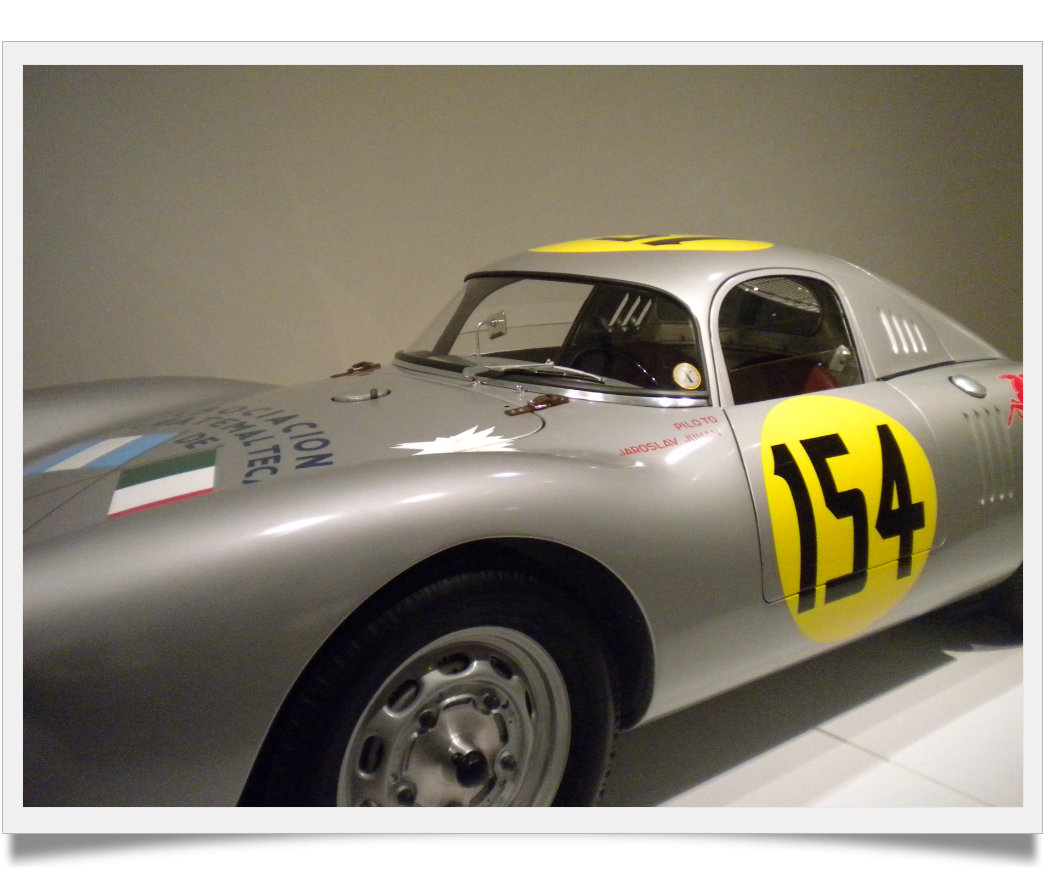
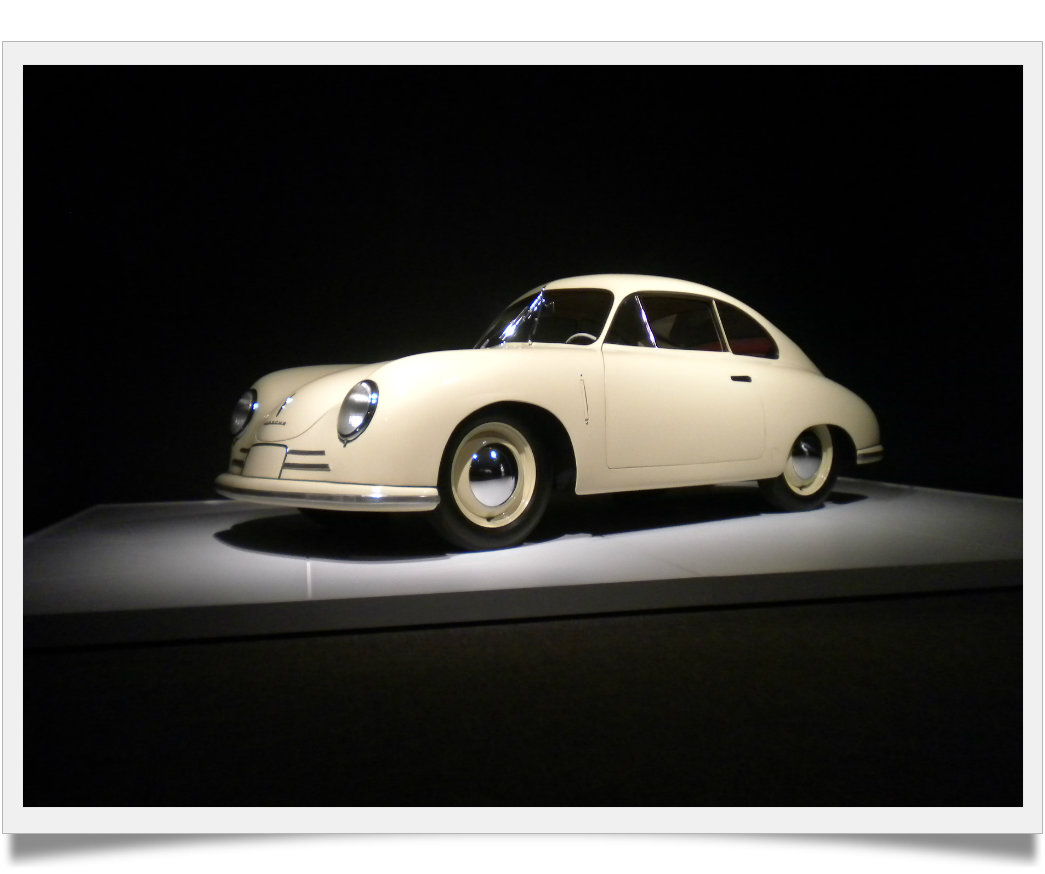
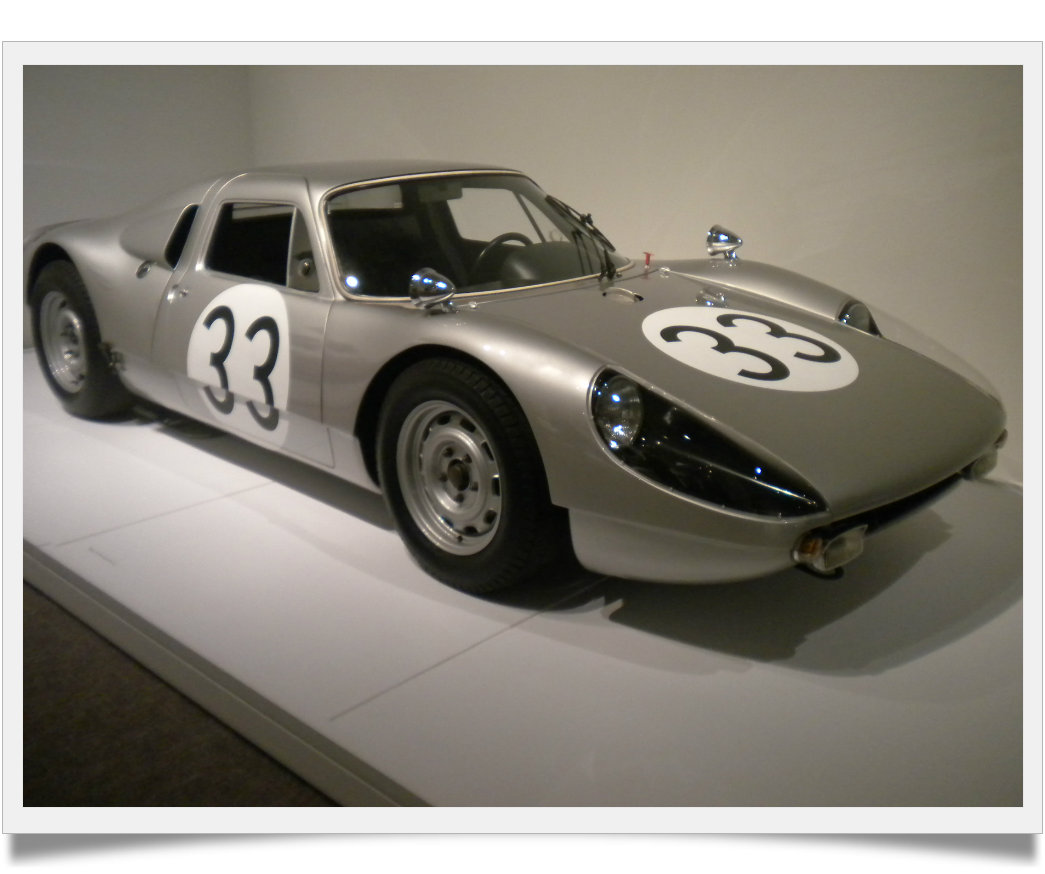 opportunity to attend the media preview of Porsche by Design, Seducing Speed at the NCMA last Thursday (it opened on Saturday). The exhibit blew my mind, even for someone who likes cars but is in no way, shape or form a “car guy.”
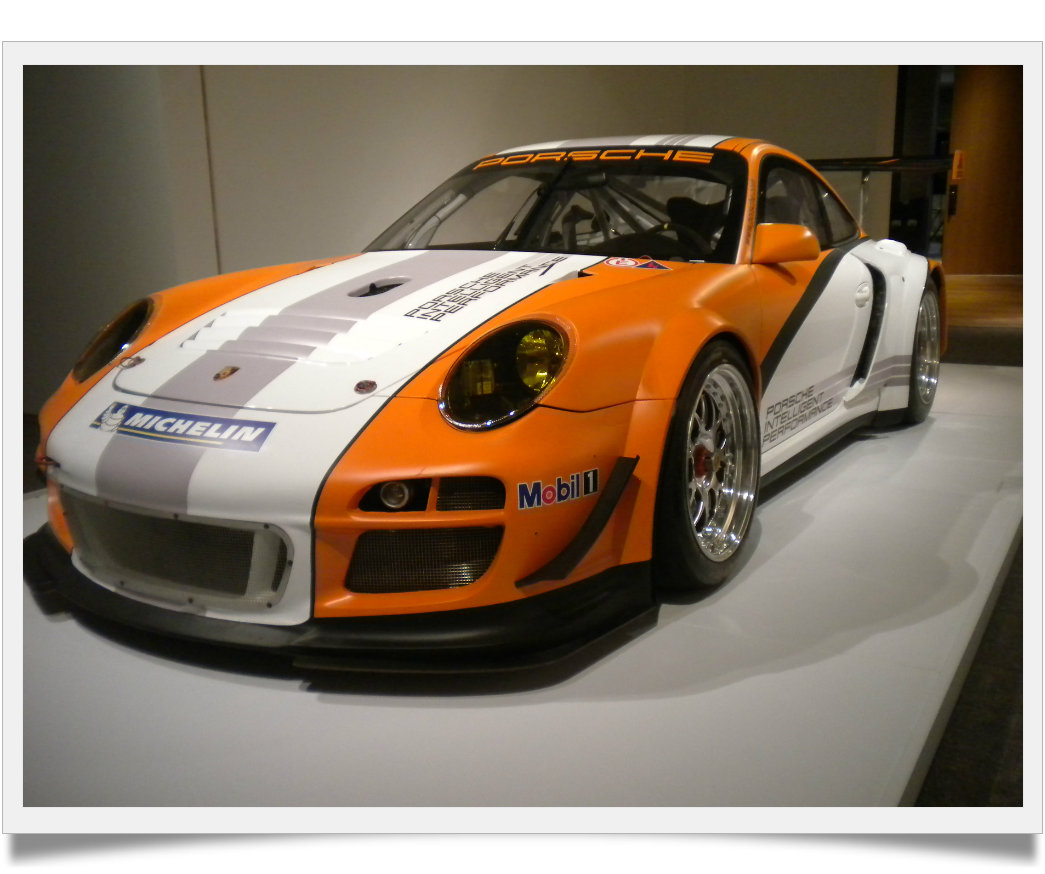 fascinating guy…I had the chance to talk to him before most of the other attendees showed up and it was a very insightful, and entertaining, ten minutes.] “More than ‘just a show about cars,’ the exhibition emphasizes the innate beauty of aerodynamic design, inseparably linked with engineering genius. These cars are superlative examples of uncompromised, artfully restrained design, lending visual form and grace to the notion of speed.”
 Northampton Consulting